
How to Plan Balanced Meals Without Stress: A Simple Guide
zujerea.pro >> Balanced Diet>>Meal Planning>> How to Plan Balanced Meals Without Stress: A Simple Guide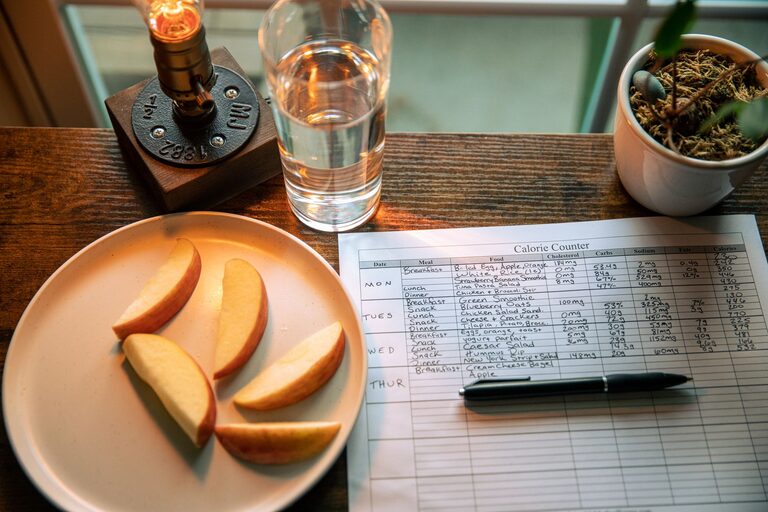
How to Plan Balanced Meals Without Stress: A Simple Guide
Planning balanced meals doesn’t have to be overwhelming or time-consuming. With a few simple strategies, you can create nutritious meals that satisfy your taste buds and keep your body fueled throughout the day. Whether you’re cooking for yourself, your family, or friends, these tips will help you take the stress out of meal planning.
Why Planning Balanced Meals Matters
Balanced meals provide the right mix of nutrients your body needs to function at its best. This means including a variety of food groups in the right proportions: proteins, carbohydrates, healthy fats, and plenty of fruits and vegetables. When meals are balanced, you’re more likely to feel energized, maintain a healthy weight, and support overall well-being.
Start with the Basics: What Makes a Balanced Meal?
A balanced meal combines different nutrients to support your health. Here’s a simple way to think about it:
– Protein: Helps repair tissues and build muscles. Examples include chicken, fish, beans, tofu, and eggs.
– Carbohydrates: Your body’s main energy source, especially from whole grains like brown rice, quinoa, or whole-wheat bread.
– Healthy Fats: Essential for brain health and hormone production. Sources include avocados, nuts, seeds, and olive oil.
– Fruits and Vegetables: Provide vitamins, minerals, and fiber to keep your body running smoothly.
A practical way to visualize a balanced plate is to fill half of it with fruits and vegetables, one-quarter with protein, and one-quarter with whole grains.
Tips for Stress-Free Meal Planning
1. Plan Ahead but Stay Flexible
Take some time once a week to plan your meals. Jot down ideas for breakfast, lunch, and dinner, and create a simple shopping list. This reduces last-minute decisions and grocery store trips.
However, don’t stress if your day doesn’t go as planned. Flexibility helps you adapt and avoid feeling overwhelmed.
2. Batch Cook or Prep Ingredients
Cooking in batches or prepping ingredients like chopped vegetables and cooked grains ahead of time saves time during busy weekdays.
For example, roasting a big tray of vegetables or cooking a pot of quinoa can provide components for different meals throughout the week.
3. Keep It Simple
Balanced meals don’t have to be complicated. Choose recipes with just a few ingredients, and mix and match proteins, veggies, and grains you enjoy.
Here are some easy meal ideas:
– Grilled chicken with steamed broccoli and quinoa
– Stir-fried tofu with mixed vegetables and brown rice
– Omelet loaded with vegetables and a slice of whole-grain toast
4. Use the "Mix and Match" Approach
Prepare a few staple ingredients and create different meals by combining them in new ways. For instance, cooked chicken can become a salad topping one day and a filling for wraps the next.
5. Watch Portion Sizes, Not Perfection
Focus on balanced portions rather than perfect meals. It’s okay if a meal has a little more or less of one food group.
Listening to your hunger and fullness cues can guide you better than strict portion rules.
Tips for Balanced Breakfasts, Lunches, and Dinners
Balanced Breakfast Ideas
– Greek yogurt with fresh berries and a sprinkle of nuts
– Whole-grain toast topped with avocado and a boiled egg
– Smoothie with spinach, banana, protein powder, and almond milk
Balanced Lunch Ideas
– Quinoa salad with chickpeas, cucumber, tomatoes, and feta cheese
– Turkey and avocado sandwich on whole-wheat bread with a side of carrot sticks
– Lentil soup paired with a green salad
Balanced Dinner Ideas
– Baked salmon, roasted sweet potatoes, and steamed green beans
– Veggie stir-fry with tofu and brown rice
– Whole-wheat pasta with marinara sauce and a side of sautéed spinach
Snacks That Support Balanced Eating
Healthy snacks can help maintain energy between meals and prevent overeating later. Some balanced snack options include:
– Apple slices with peanut butter
– Hummus with carrot or cucumber sticks
– A handful of mixed nuts and dried fruit
Tips for Staying Consistent
– Keep a Meal Journal: Writing down what you eat helps you notice patterns and make adjustments.
– Celebrate Small Wins: Enjoy your progress without judging mistakes.
– Experiment and Have Fun: Try new recipes and ingredients to keep your meals exciting.
Final Thoughts
Planning balanced meals doesn’t need to be stressful or complicated. By focusing on variety, simplicity, and preparation, you can nourish your body and enjoy your food without pressure. Remember, the goal is progress, not perfection. Start small, stay flexible, and discover what works best for you and your lifestyle. Happy meal planning!